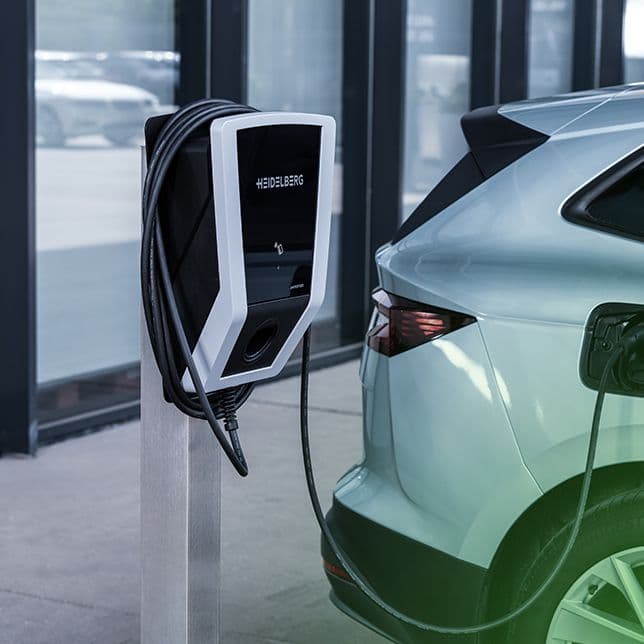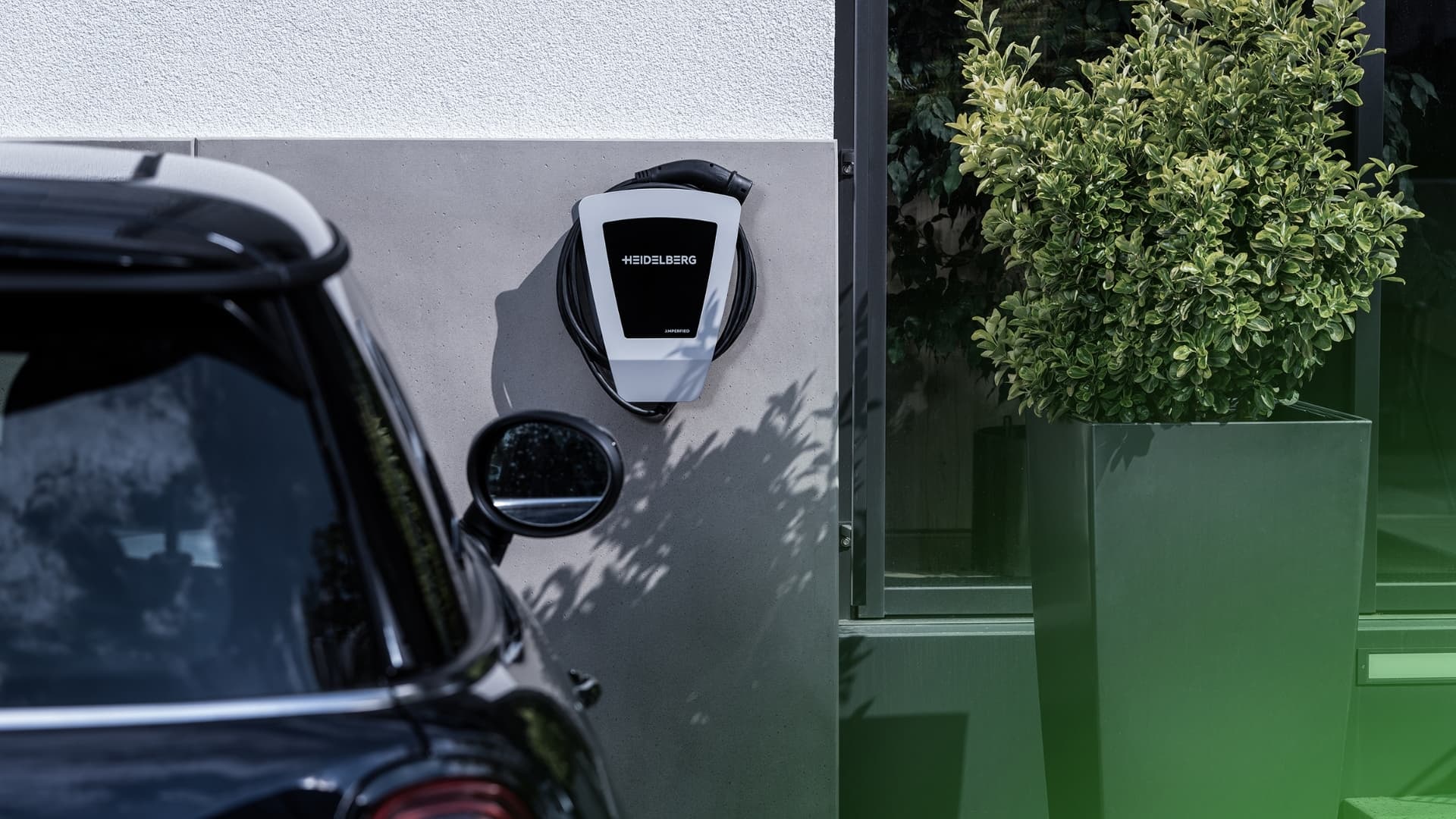
Sharjet sells two main Heidelberg Wallbox models in Azerbaijan: Home Eco and Home. Both share the same German build quality, the same 11 kW peak power, the same 7.5 m Type 2 cable, and the same 3-year warranty. So what is actually different?
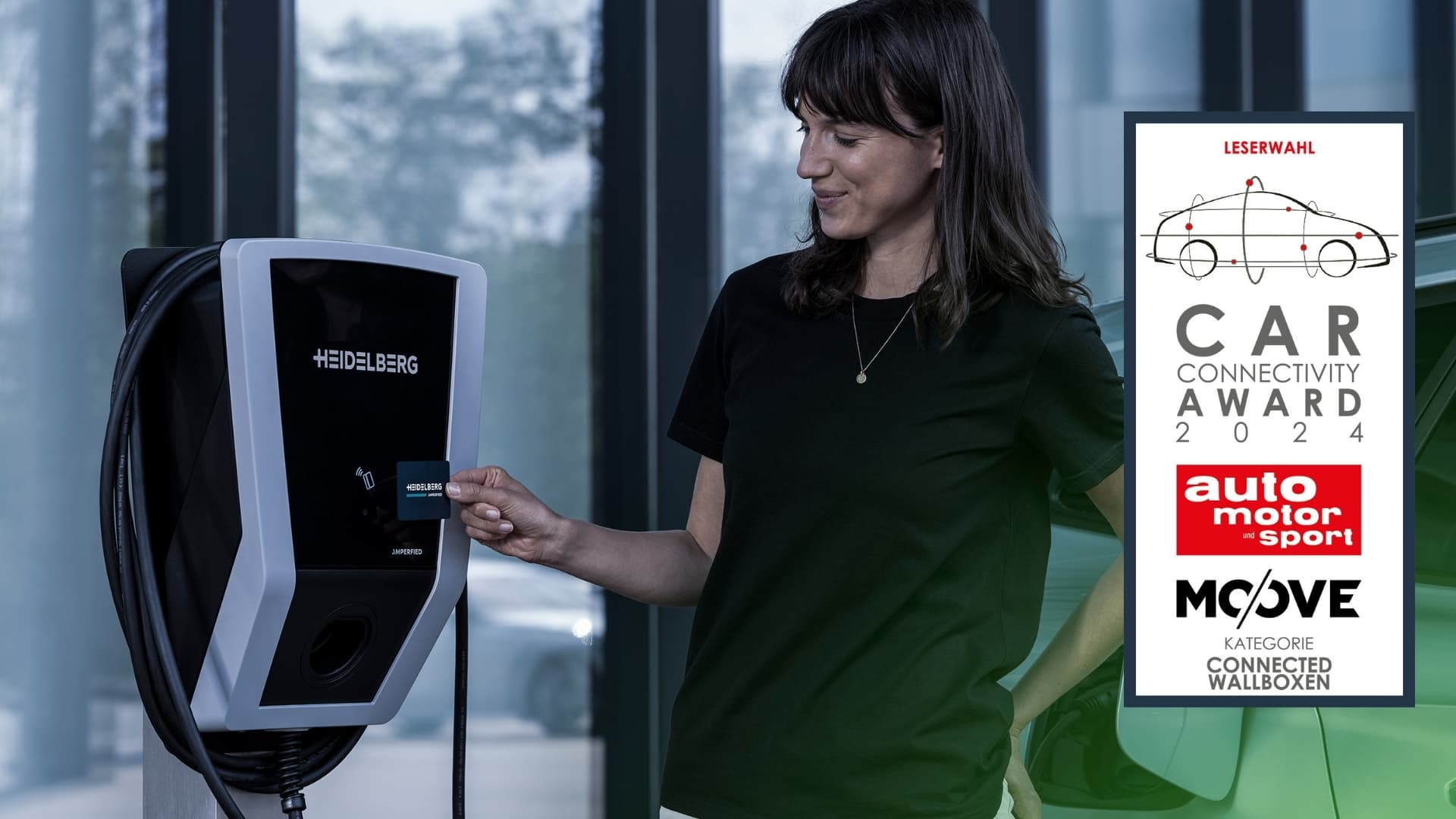
The short answer: Home is the smart version — mobile app, RFID cards, energy monitoring. Home Eco is the simple version — just reliable, fast charging with no extras. This article walks you through which one is right for your situation.
The two models side by side
| Feature | Home Eco | Home |
|---|---|---|
| Max power | 11 kW (adjustable) | 11 kW (adjustable) |
| Type 2 cable | 7.5 m | 7.5 m |
| Phase | 1 or 3-phase | 1 or 3-phase |
| Ingress protection | IP54 | IP54 |
| Mobile app | No | Yes |
| RFID access | No | Yes |
| Energy monitoring | No | Yes |
| Scheduled charging | No | Yes |
| Warranty | 3 years | 3 years |
| Best for | Private home/villa | Villa, business, multi-user |
Who is Home Eco for?
Home Eco is the right pick if you value simplicity. If you:
- Live in a private house or villa,
- Are the only driver charging the car,
- Don't want to deal with apps, RFID cards, or schedules,
- Just want a "plug in at night, full in the morning" experience,
...then Home Eco is enough. Fewer components, fewer things to go wrong, lower price. You just charge at your normal home tariff with no subscriptions, no extras.
Who is Home for?
Wallbox Home is for users who want more control. We recommend it in these cases:
- Multiple drivers: Family with two EVs and everyone wants their own usage tracked.
- RFID access: You want to control who can use the charger in your villa (friends, guests, office staff).
- Time-of-use charging: You want to schedule charging for off-peak hours and maximise savings on the night tariff.
- Detailed reporting: You care about exactly how many kWh you used this month and how much it cost.
- Small business: You're installing for office or shop staff — RFID and energy tracking become necessary.
Monthly cost comparison
Both models physically charge at the same power — the difference is in the control and reporting layer. But Home's energy monitoring and scheduled charging do show up on your monthly bill.
Example: Baku's night tariff is roughly 30% cheaper than the day rate. If you use Home to schedule charging during the night window, you can save around 15–25 AZN per month on the same amount of energy. Over a year that adds up to 180–300 AZN — the extra cost of Home pays itself back quickly in any multi-user or high-mileage scenario.
But if you're a single driver who plugs in at the same time every night, Home Eco gives you the same outcome — you just have to remember to set the timer manually.
Installation and warranty
Installation is identical for both models and free when you buy from Sharjet. A certified electrician comes out, runs a dedicated feed, installs the right Type B RCD breakers, and finishes the install in 3–6 hours.
Warranty is 3 years official manufacturer warranty for both. All service is handled by the Sharjet team in Baku — nothing needs to be shipped back to Germany.
Decision tree — which one?
Quick rules:
- 🏠 Private home, single car → Home Eco
- 🏡 Villa, 2+ cars → Home (RFID and energy tracking really shine)
- 📱 You love tech and want to see everything in an app → Home
- ⏰ You want to maximise savings on the night tariff → Home (scheduled charging)
- 💼 Office, shop, small business → Home (RFID and reporting are essential)
- 🔧 You want simplicity and minimum spend → Home Eco
Still not sure?
For a recommendation based on your specific situation, get in touch. A few WhatsApp questions and we'll point you at the right model.
Related: Home EV charging — complete guide · Installation cost and process